

Helping a loved one settle into home care: five ways to make the change easier
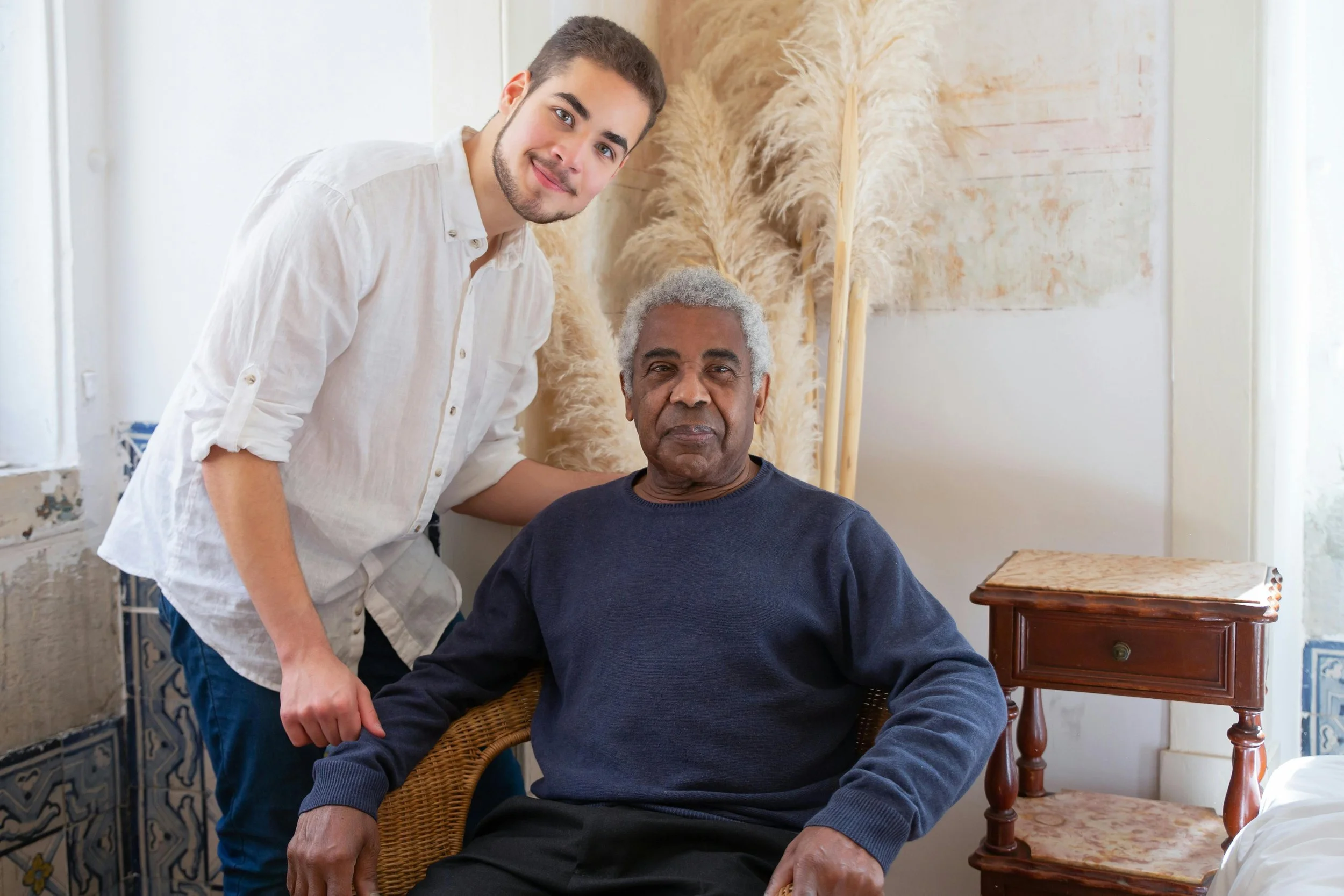
Bringing care into the home is a significant change, both practically and emotionally. For the person receiving support, it can feel like a loss of independence or privacy. For families, it can bring uncertainty, worry, and sometimes guilt.
With the right approach, however, the transition can be calm, respectful, and often far more reassuring than expected. Here are five ways to help a loved one settle into home care.
Talk about it together, early and honestly
The transition tends to go best when it is not a surprise. Wherever possible, involve your loved one from the beginning. Ask how they feel, what matters most to them, and what concerns they may have about staying at home.
People are more likely to accept change when they feel included in the decision, rather than subject to it. Even when there is resistance, being heard can reduce fear and build trust. The aim is not to persuade, but to make sure this is something done with them, not to them.
2. Start gently and build trust over time
It is often best to begin with lighter forms of support before moving to more personal care. Help around the home, companionship, or assistance with shopping can provide a starting point while relationships develop.
Trust takes time. A gradual introduction allows someone to become familiar with a carer before they are supported with more intimate tasks such as washing or dressing. This protects dignity and makes the experience feel less overwhelming.
Where possible, a gradual approach should be agreed with the provider so that care can be paced appropriately for the individual.
3. Keep the faces familiar
One of the most difficult aspects of home care can be frequent changes in who arrives at the door. For someone anxious or living with cognitive changes, this can feel unsettling.
A small, consistent team makes a significant difference. When the same carers visit regularly, they learn how the person prefers things to be done, and the person in turn becomes more comfortable and secure.
It is worth asking any provider how continuity is managed and how many different carers are likely to be involved. Consistency is central to good home care.
4. Protect routines and familiarity at home
Care should adapt to the person, not the other way around. Daily habits, preferred routines, and familiar surroundings all help maintain stability during change.
The timing of meals, where someone sits, how they take their tea, and the layout of their home all matter more than they may first appear. These details provide comfort and continuity.
Encouraging carers to work around established routines helps the person feel that their home remains their own, with support simply woven into it.
5. Give it time and allow space for adjustment
The early stages can feel unfamiliar for everyone involved. It is common for people to feel uncertain or quiet while they adjust to new routines and new faces. This usually settles with time.
Families often experience mixed emotions as well, particularly if they have been providing care themselves. Relief, concern, and guilt can exist at the same time. These feelings are normal.
Accepting support is not stepping back from a loved one. In many cases, it allows the relationship to return to being family first, with practical support shared appropriately.
Settling in takes time, and everyone finds their own pace
There is no perfect script for bringing care into the home. What matters most is patience, honesty, and support that respects who someone is and how they choose to live. Handled gently, this change is not a loss of independence. For many families, it is the exact moment things grow steadier, and relationships find room to breathe again.
If you are thinking about support for someone close to you, our team is here to talk it through whenever you are ready. Whenever it suits you. You can also read more about our home care services on our website.
Written by Ludo Moyo, Founder and Regulatory Compliance Lead of Two Good Friends. She writes here on care, family, and living well at home.
What is complex care at home? A guide for families

If someone close to you has health needs that are becoming more complex, you may be trying to understand what support is now required. This guide explains what complex care is, when it may be needed, and how it can support someone to stay safely at home.
What is complex care?
Complex care is support for people living with significant, long-term, or changing health conditions that require more than everyday personal care. It combines practical day-to-day support with clinical oversight to ensure care remains safe, consistent and responsive.
Complex care does not always mean moving into a hospital or care home. It is designed to allow people to continue living in their own home, with the right level of skilled support in place.
How is complex care different from ordinary home care?
Ordinary home care focuses on daily living support such as washing, dressing, meals, medication prompts and companionship.
Complex care includes all of this, but is shaped around more significant health needs. It may involve support with specialist equipment, structured care routines, and coordination with other healthcare professionals.
In simple terms:
• Home care supports daily life
• Complex care supports daily life plus ongoing health needs
Who provides complex care?
Complex care should always be delivered by trained carers with the right skills for the person they are supporting.
Continuity matters as much as expertise. Wherever possible, care is provided by a small, consistent team that understands the person's routines, preferences, and needs.
Families should always ask how carers are trained, supervised and supported in practice.
What conditions may require complex care?
Complex care is tailored to the individual, not just the diagnosis. It is commonly used for people living with conditions such as:
• Stroke recovery
• Parkinson's disease
• Multiple sclerosis
• Motor neurone disease
• Dementia
• Acquired brain injury
• Spinal injury
• Respiratory conditions
• Other long-term or progressive health conditions
It is also often used after a hospital stay, when someone is well enough to return home but still needs ongoing support. In many cases, it plays a key role in enabling hospital discharge and avoiding unnecessary admission to residential care.
This provides reassurance that care is both compassionate and clinically sound.
Can complex care be delivered at home?
Yes. For many people, home is the best place to receive care.
With the right support, people can remain in familiar surroundings, maintain their routines, and stay connected to their community.
Good complex care at home typically means:
• A small, consistent care team
• Support tailored to the individual
• Familiar surroundings and routines
• Greater independence and dignity
• Reduced disruption compared with institutional care
How is complex care arranged?
You do not need to have everything figured out before asking for help.
The process usually begins with a conversation to understand the person's needs. From there, a detailed assessment is conducted, and a personalised care plan is developed.
Care is then reviewed regularly to ensure it continues to meet changing needs.
Can complex care support hospital discharge?
Yes. Complex care is often used when someone is medically fit to leave the hospital but still needs ongoing support at home.
With the right care in place, discharge can happen sooner and more safely, reducing unnecessary time in hospital and supporting recovery in a familiar environment.
Frequently asked questions
What is the difference between complex care and home care?
Home care supports daily living needs. Complex care includes this support but adds clinical oversight and specialist skills for more complex health conditions.
Is complex care only for older people?
No. It supports adults of all ages, including younger people with injuries, neurological conditions or long-term health needs.
Does complex care mean someone cannot stay at home?
No. It is specifically designed to support people in remaining at home safely.
Can complex care start after hospital discharge?
Yes. It is often arranged to support safe and timely discharge from the hospital.
How do I know if it is needed?
If care needs are increasing or becoming harder to manage safely at home, a professional assessment can help determine the right level of support.
Home can still be home
More complex health needs do not always mean leaving home. With the right support, many people can continue living safely and comfortably in familiar surroundings, even after a hospital stay or as needs change.
If someone close to you needs more support, complex care at home may be an option. To find out more, visit our complex care page or speak to our team about what might be possible.
Written by Ludo Moyo, Founder and Regulatory Compliance Lead of Two Good Friends. She writes here on care, family, and living well at home.
When looking after a loved one becomes too much, home care can help families reconnect
When looking after someone you love starts to feel like too much, the right support can give families their relationship back

There is a particular tiredness that comes from looking after someone you love. If you have started to wonder whether you can keep going as you are, this is for you.
It rarely begins with a decision
For most families, caring for a loved one does not begin with a decision. There is rarely a single moment where you sit down and choose to become a carer. It happens slowly, almost invisibly. At first, it is the small things. Picking up a bit of shopping, keeping an eye on appointments, and helping with the odd task around the house. Then life shifts. A fall, a diagnosis, a change in health, and suddenly you are not just helping out. You are the person holding everything together.
For a while, that feels like simply what you do. You step in and keep things going. But over time, something changes. The days fill up. The responsibility becomes constant. And slowly, your original relationship starts to blur into the role of a full-time carer.
That last change is the one families feel most deeply, even when they cannot quite put it into words.
The signs are easy to miss
The shift is often so gradual that you do not notice how much you are carrying until you stop to think about it. You feel responsible all of the time, even when you are not there. You struggle to keep on top of the home and the practical tasks. There is little or no time left for yourself, your work, or your own well-being. You lie awake worrying. You feel stretched thin when you are with your loved one, and guilty when you are not. These are the moments many people push through, telling themselves they should be able to manage. If any of them feel familiar, it may simply be a sign that you have been doing a great deal, often for longer than anyone realised.
Why do we wait longer than we should
There is a quiet belief many people hold, that you ought to be able to cope on your own, that asking for help can wait, that bringing someone in might change things too much. What families usually discover is the opposite. The right support does not take over. It permits you to step back into your natural relationship again. It is rarely one big decision. More often, it is a growing awareness that some things have become harder to manage alone, both physically and emotionally, and that there is no longer any reason to carry them by yourself.
What changes when help arrives
When someone else takes on the practical care, the personal care, the routines, the safety, the everyday pressure starts to lift. It often shows up in small ways at first. A little more breathing space. A night of proper sleep. The relief of knowing that someone reliable is there. For the person you care for, good home care means familiar faces who come regularly, who learn how they like things done, who notice when something is not quite right. It means staying in their own home, surrounded by their own things, living on their own terms. Independence and support are not opposites. The right care holds both at once.
At Two Good Friends, our care is led by a registered nurse manager and delivered by a small, consistent team we call Comfort Providers. We keep the team around each person small on purpose, because care built on genuine relationships is care that works. That clinical oversight means there is always a qualified eye on changing needs, which gives families real reassurance.
Becoming family again
This is the part families tell us about most often. Once the right support is in place, your relationship changes again, this time for the better. You can visit without watching a clock or running through a checklist of chores. You can have a conversation that is not just about appointments. You can sit and have a cup of tea, share a laugh, and simply enjoy each other's company. The worry eases. The visits become warmer. You get to be a partner, a sibling, a child, or a dear friend again. That is the quiet gift good care so often brings. It is the level of care we would want for our very own families.
Where to begin
If you are thinking about this for the first time, you do not need to have it all worked out. You do not need to know how many hours, or exactly what kind of help, or where to begin. Most families do not, and that is completely normal. A good first step is simply to talk it through with someone who understands. It often helps to involve others too, family members, a close friend, or the GP of the person you care for. Caring should rarely rest on one person's shoulders, and neither should the decision to seek help.
Reaching the point where you need support does not mean you have done anything wrong. It means you have been carrying a great deal, and that you love someone enough to want the best for them, even when the best is no longer something you can provide entirely alone. If any of this feels familiar, we would be glad to talk whenever you are ready, in your own time.
If you are starting to feel overwhelmed, exploring support early can make all the difference. Whenever you are ready, we are here.
Call 0141 377 9474 or get in touch through our contact page.
Frequently asked questions
When should I get help for a loved one?
If you are feeling overwhelmed, struggling to manage daily tasks, or worried about their safety, it is a good time to explore support. There is no need to wait until you are at breaking point.
What are the signs my loved one needs home care?
Common signs include difficulty managing the home, reduced mobility, forgetfulness, becoming withdrawn, or relying on you more and more for everyday health and tasks.
Does home care take away independence?
No. Good home care is designed to protect independence. It supports the tasks that have become difficult while leaving the person you care for in control of their own life and routines.
How do I avoid carer burnout?
By seeking support early, sharing responsibilities rather than carrying them alone, and making sure you have time to rest and look after your own health.
How do I arrange home care with Two Good Friends?
You can get in touch with us directly for a conversation about what might help. We will talk through your situation, explain the options, and there is no pressure or obligation.
Written by Ludo Moyo, Founder and Regulatory and Compliance Lead of Two Good Friends. She writes on care and living well at home.