

Helping a loved one settle into home care: five ways to make the change easier
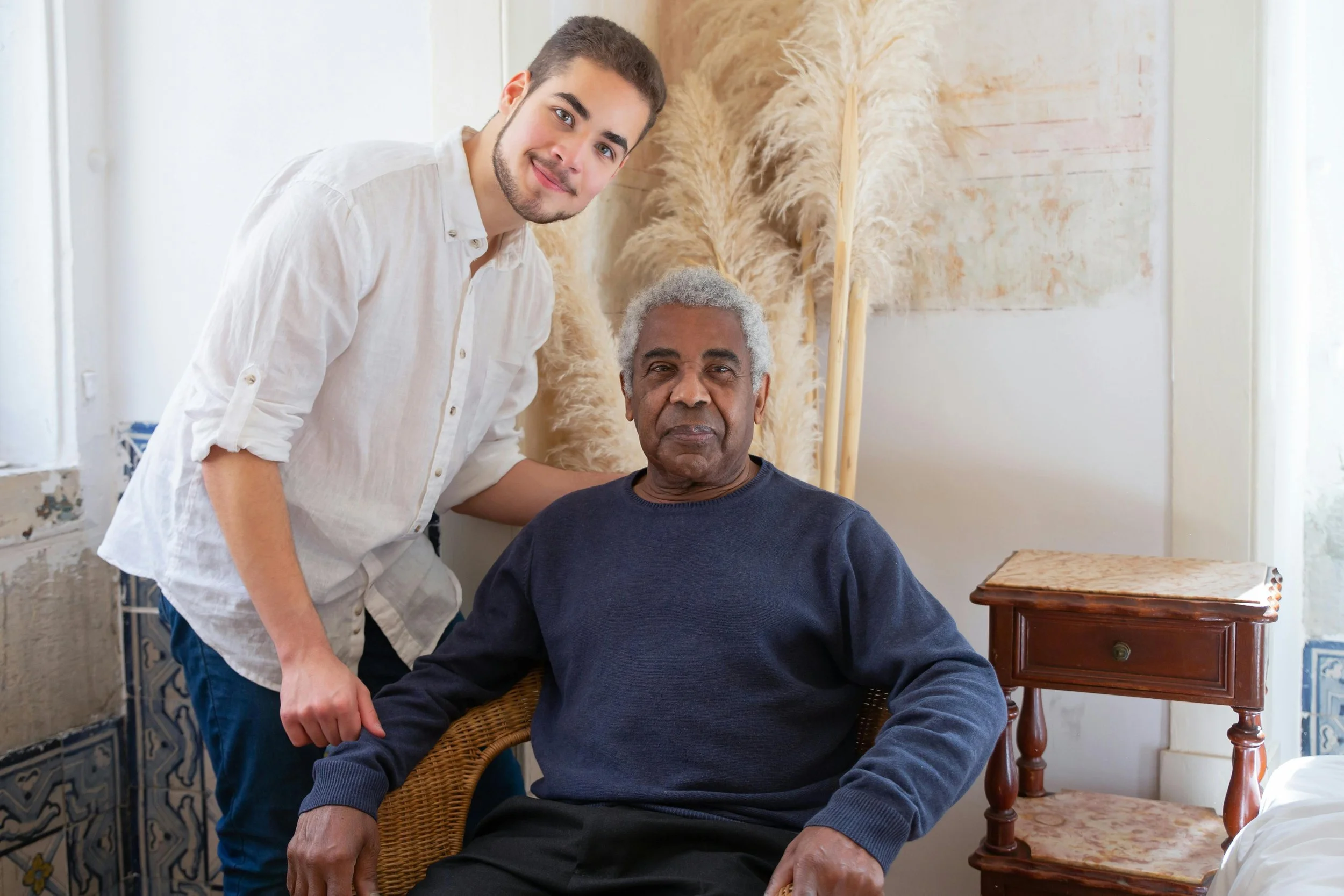
Bringing care into the home is a significant change, both practically and emotionally. For the person receiving support, it can feel like a loss of independence or privacy. For families, it can bring uncertainty, worry, and sometimes guilt.
With the right approach, however, the transition can be calm, respectful, and often far more reassuring than expected. Here are five ways to help a loved one settle into home care.
Talk about it together, early and honestly
The transition tends to go best when it is not a surprise. Wherever possible, involve your loved one from the beginning. Ask how they feel, what matters most to them, and what concerns they may have about staying at home.
People are more likely to accept change when they feel included in the decision, rather than subject to it. Even when there is resistance, being heard can reduce fear and build trust. The aim is not to persuade, but to make sure this is something done with them, not to them.
2. Start gently and build trust over time
It is often best to begin with lighter forms of support before moving to more personal care. Help around the home, companionship, or assistance with shopping can provide a starting point while relationships develop.
Trust takes time. A gradual introduction allows someone to become familiar with a carer before they are supported with more intimate tasks such as washing or dressing. This protects dignity and makes the experience feel less overwhelming.
Where possible, a gradual approach should be agreed with the provider so that care can be paced appropriately for the individual.
3. Keep the faces familiar
One of the most difficult aspects of home care can be frequent changes in who arrives at the door. For someone anxious or living with cognitive changes, this can feel unsettling.
A small, consistent team makes a significant difference. When the same carers visit regularly, they learn how the person prefers things to be done, and the person in turn becomes more comfortable and secure.
It is worth asking any provider how continuity is managed and how many different carers are likely to be involved. Consistency is central to good home care.
4. Protect routines and familiarity at home
Care should adapt to the person, not the other way around. Daily habits, preferred routines, and familiar surroundings all help maintain stability during change.
The timing of meals, where someone sits, how they take their tea, and the layout of their home all matter more than they may first appear. These details provide comfort and continuity.
Encouraging carers to work around established routines helps the person feel that their home remains their own, with support simply woven into it.
5. Give it time and allow space for adjustment
The early stages can feel unfamiliar for everyone involved. It is common for people to feel uncertain or quiet while they adjust to new routines and new faces. This usually settles with time.
Families often experience mixed emotions as well, particularly if they have been providing care themselves. Relief, concern, and guilt can exist at the same time. These feelings are normal.
Accepting support is not stepping back from a loved one. In many cases, it allows the relationship to return to being family first, with practical support shared appropriately.
Settling in takes time, and everyone finds their own pace
There is no perfect script for bringing care into the home. What matters most is patience, honesty, and support that respects who someone is and how they choose to live. Handled gently, this change is not a loss of independence. For many families, it is the exact moment things grow steadier, and relationships find room to breathe again.
If you are thinking about support for someone close to you, our team is here to talk it through whenever you are ready. Whenever it suits you. You can also read more about our home care services on our website.
Written by Ludo Moyo, Founder and Regulatory Compliance Lead of Two Good Friends. She writes here on care, family, and living well at home.
